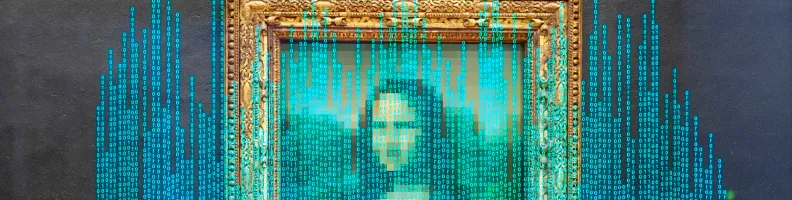
How Comics Are Evolving to Digital Formats
The comics industry has always been shaped by creativity, fandom and a deep love of storytelling. But in recent years, another force has been reshaping it: changing reader habits. The traditional single-issue comic, once the backbone of the medium, is no longer the only or even primary way many fans engage with their favourite stories.
Instead, graphic novels, trade paperbacks and digital formats are playing a bigger role than ever. This shift is transforming how creators publish, how readers consume content and how the entire industry operates.
For decades, single issues were the standard format. They released monthly, offered bite-sized chapters of ongoing stories and fuelled the excitement of weekly visits to local comic shops. However, as lifestyles accelerated and audiences diversified, the model began to feel limiting. Readers wanted more complete stories, fewer cliffhangers and formats that fit their schedules. Enter graphic novels and collected editions.
Graphic novels provide a storytelling experience that is more immersive and bingeable. Instead of waiting month after month for a full arc, readers can dive into an entire narrative in one sitting, much like streaming a TV series instead of waiting for weekly episodes. Publishers have taken notice. Many now structure stories with collected editions in mind, focusing on tighter arcs designed for a satisfying graphic novel read while still releasing the monthly chapters for traditional fans.
Another major influence in the industry’s evolution is the rise of digital comics. Platforms offering instant access to thousands of issues have changed how people discover and consume content. Digital reading appeals to younger audiences, global readers and fans who don’t have easy access to comic book stores. It’s convenient, space-saving and often more affordable. With tablets offering crisp, high-resolution displays, digital comics have never looked better.
Creators also benefit from digital distribution. Independent artists and writers can publish online without the upfront costs of print, reaching audiences directly through platforms, personal websites or social media. This has opened doors for diverse voices, new genres and experimental storytelling styles that might not have fit the traditional single-issue mold.
The shift also reflects broader changes in the entertainment industry. Audiences today are used to consuming content on demand. Binge-watching, audiobooks and digital libraries have trained readers to expect flexibility and immediacy. Graphic novels and digital formats align perfectly with this behaviour. They offer longer, cohesive stories and instant access, two things that modern readers love.
However, the rise of new formats doesn’t mean the end of single issues. Many fans still cherish them for their collectability, artwork and nostalgic charm. Comic shops remain community hubs, hosting signings, events and weekly conversations that digital formats can’t replicate. However, instead of being the industry’s foundation, single issues are now part of a larger ecosystem, one that includes bookstores, online platforms, and libraries, all playing vital roles.
Publishers are leaning into this hybrid future. We’re seeing more original graphic novels aimed at young adults, more digital-first series that later get printed, and more deluxe paperback editions designed for long-term shelf life. The result? A more flexible and diverse comics marketplace.
Ultimately, the shift from single issues to graphic novels and digital formats is a sign of evolution, not decline. It reflects an industry adapting to new readers, new technologies and new storytelling possibilities. Whether you’re a floppy collector, a graphic novel enthusiast or a digital comics binge-reader, there’s never been a more exciting time to explore the medium.
The way we read comics may be changing, but the heart of it, great stories, memorable characters and stunning art, remains stronger than ever.