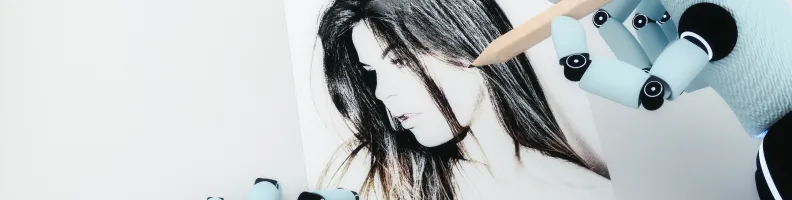
When Graphic Novels Meet Fine Art
Graphic novels have long been celebrated for their storytelling, but a growing number of artists are elevating the medium to fine art, creating works that blur the line between comics and gallery-worthy illustration. These creators are challenging traditional notions of what constitutes art and literature, proving that graphic novels can be both visually stunning and intellectually compelling.
At the intersection of graphic novels and fine art, artists are transforming sequential storytelling into a sophisticated visual experience. Unlike conventional comics, which often prioritize plot and dialogue, these works emphasize composition, colour, texture, and style in ways reminiscent of gallery pieces. The result is a hybrid form where narrative and visual aesthetics are equally important.
Many contemporary artists draw inspiration from classic painting, contemporary illustration, and experimental design, blending these influences with the dynamic pacing and panel structure of comics. The outcome is a medium that engages readers on multiple levels—emotionally, intellectually, and visually.
Notable Artists and Styles
Several creators are making waves in this space by pushing the boundaries of what a graphic novel can be. Some blend surrealism with narrative storytelling, using intricate line work and bold colour palettes to evoke mood and meaning beyond the written word. Others incorporate mixed media, collage, or digital techniques, producing illustrations that could stand alone in an art exhibition while still advancing a story.
These artists often explore complex themes, including identity, culture, memory, and social commentary. By leveraging the visual language of fine art, they can convey nuanced emotions and ideas in ways traditional novels or standard comics might struggle to achieve. Readers encounter layers of meaning embedded in every panel, from symbolic imagery to meticulous attention to visual detail.
The Gallery Connection
Increasingly, galleries and museums are embracing graphic novels as legitimate art forms. Original pages, limited-edition prints, and standalone illustrations from these novels are now exhibited alongside contemporary painting, sculpture, and photography. Some works are even sold at art auctions, demonstrating that collectors recognize both the aesthetic and cultural value of this hybrid medium.
This recognition has not only boosted the profile of individual artists but also elevated the status of graphic novels as a whole. The medium is no longer seen purely as entertainment—it is a space for artistic experimentation, cultural reflection, and narrative innovation.
Storytelling Beyond Words
One of the key appeals of blending graphic novels with fine art is the ability to tell stories visually in ways that transcend traditional narrative constraints. Fine art techniques allow creators to manipulate space, perspective, and composition to heighten drama, evoke atmosphere, or explore abstract concepts.
For example, a single panel may function like a painting, conveying mood, tone, and symbolism without relying heavily on dialogue. Alternatively, experimental layouts can guide the reader’s eye through the narrative in unexpected ways, turning the reading experience into a multisensory one.
Why This Matters
The convergence of graphic novels and fine art reflects a broader redefinition of artistic boundaries. It challenges the long-held divide between “high art” and popular culture, showing that storytelling through comics can achieve the same level of sophistication, depth, and cultural resonance as any traditional art form.
For readers and collectors, this intersection offers a new way to engage with stories—one where the artwork is not just a backdrop for text but an integral, immersive part of the narrative. It also opens opportunities for collaboration between illustrators, writers, and fine artists, fostering innovation and expanding the possibilities of both mediums.
Graphic novels at the crossroads of fine art are reshaping how we think about storytelling, illustration, and artistic value. By merging the visual complexity and aesthetic ambition of gallery-worthy work with the sequential narrative power of comics, these creators are crafting a new form of literary and artistic expression.
For those who love both compelling stories and striking visuals, this movement offers a rich, multilayered experience, proving that the world of graphic novels is as vibrant, sophisticated, and gallery-worthy as ever.